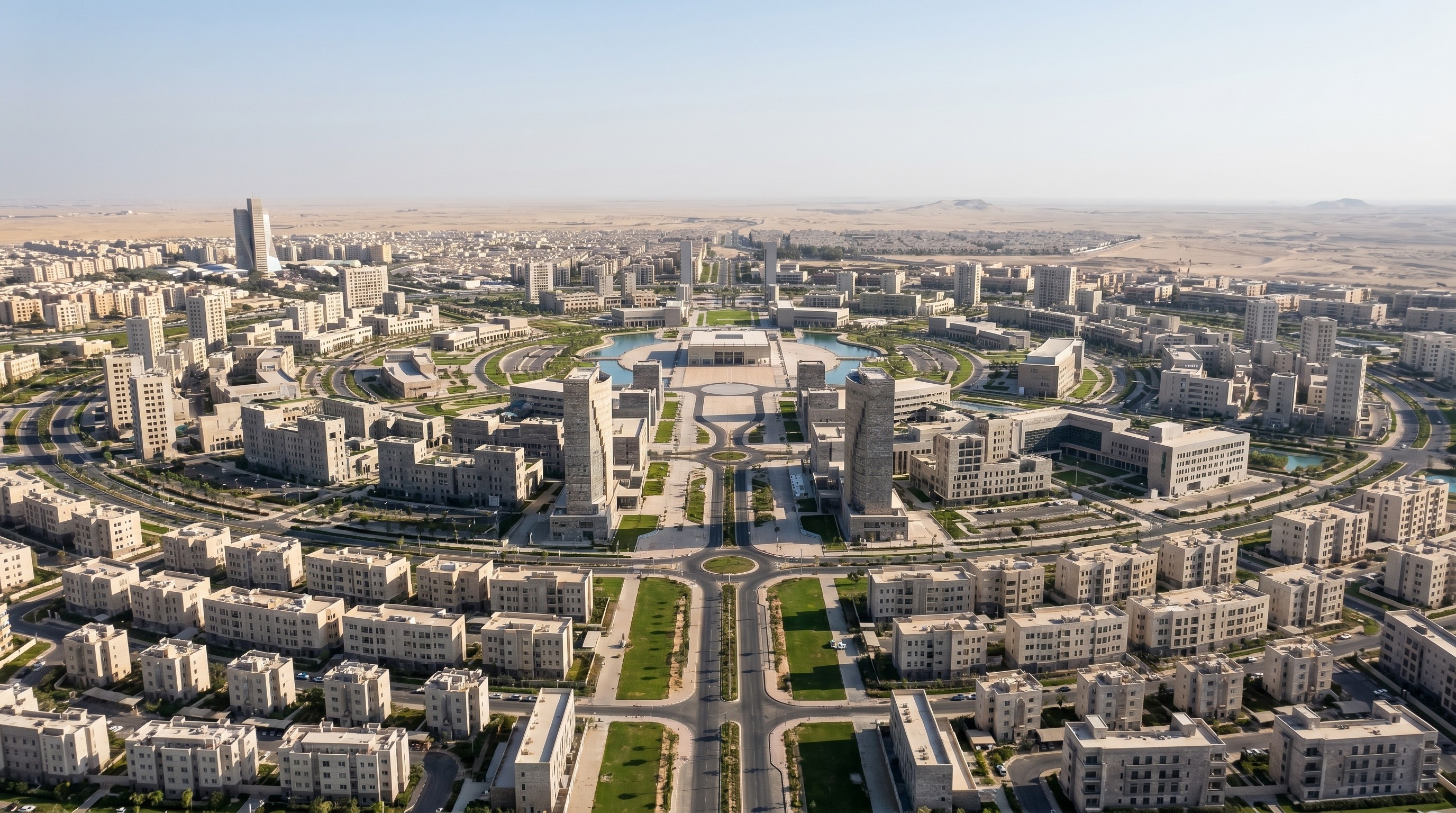
It Began With a Single Factory and a Conviction That Stone Could Build a Nation
In 1970, Al Takadom began as a modest local factory with an outsized ambition: to turn the natural stone beneath the Kingdom into the material of a modern society. It was a moment when Saudi Arabia was starting to imagine itself anew, and the founders understood that a nation’s ambitions have to stand on something solid.
More than five decades later, that conviction has become an industrial reality. One factory has grown into a fully integrated producer whose stone forms the foundations of some of the most recognised landmarks in Saudi Arabia and beyond. The journey from a single workshop to a global name did not happen by accident, it was the product of deliberate, patient decisions repeated over generations.
This is not a story about a supplier. It is a story about a company that decided, early and deliberately, to own every stage of how stone is made, from the quarry face to the finished, calibrated slab. That single decision shaped everything that followed, and it still explains what makes Al Takadom different today.
In 1970, Al Takadom began as a modest local factory with an outsized ambition: to turn the natural stone beneath the Kingdom into the material of a modern society. It was a moment when Saudi Arabia was starting to imagine itself anew, and the founders understood that a nation’s ambitions have to stand on something solid.
More than five decades later, that conviction has become an industrial reality. One factory has grown into a fully integrated producer whose stone forms the foundations of some of the most recognised landmarks in Saudi Arabia and beyond. The journey from a single workshop to a global name did not happen by accident, it was the product of deliberate, patient decisions repeated over generations.
This is not a story about a supplier. It is a story about a company that decided, early and deliberately, to own every stage of how stone is made, from the quarry face to the finished, calibrated slab. That single decision shaped everything that followed, and it still explains what makes Al Takadom different today.
The 1970s and 1980s: Foundations, and Then Italian Precision
The first decade was about establishing a foundation, building the discipline, the workforce, and the reputation of a serious stone manufacturer. Every young industry has to earn trust before it can earn scale, and those early years were spent proving that Saudi stone, cut and finished locally, could meet the standards of demanding projects.
By the 1980s, riding a wave of rapid national development, Al Takadom made a defining investment: it integrated expert Italian machinery and specialised craftsmanship into its operation. Italy’s stone-working tradition was, and remains, among the most refined in the world, and importing that know-how changed what was possible on the factory floor.
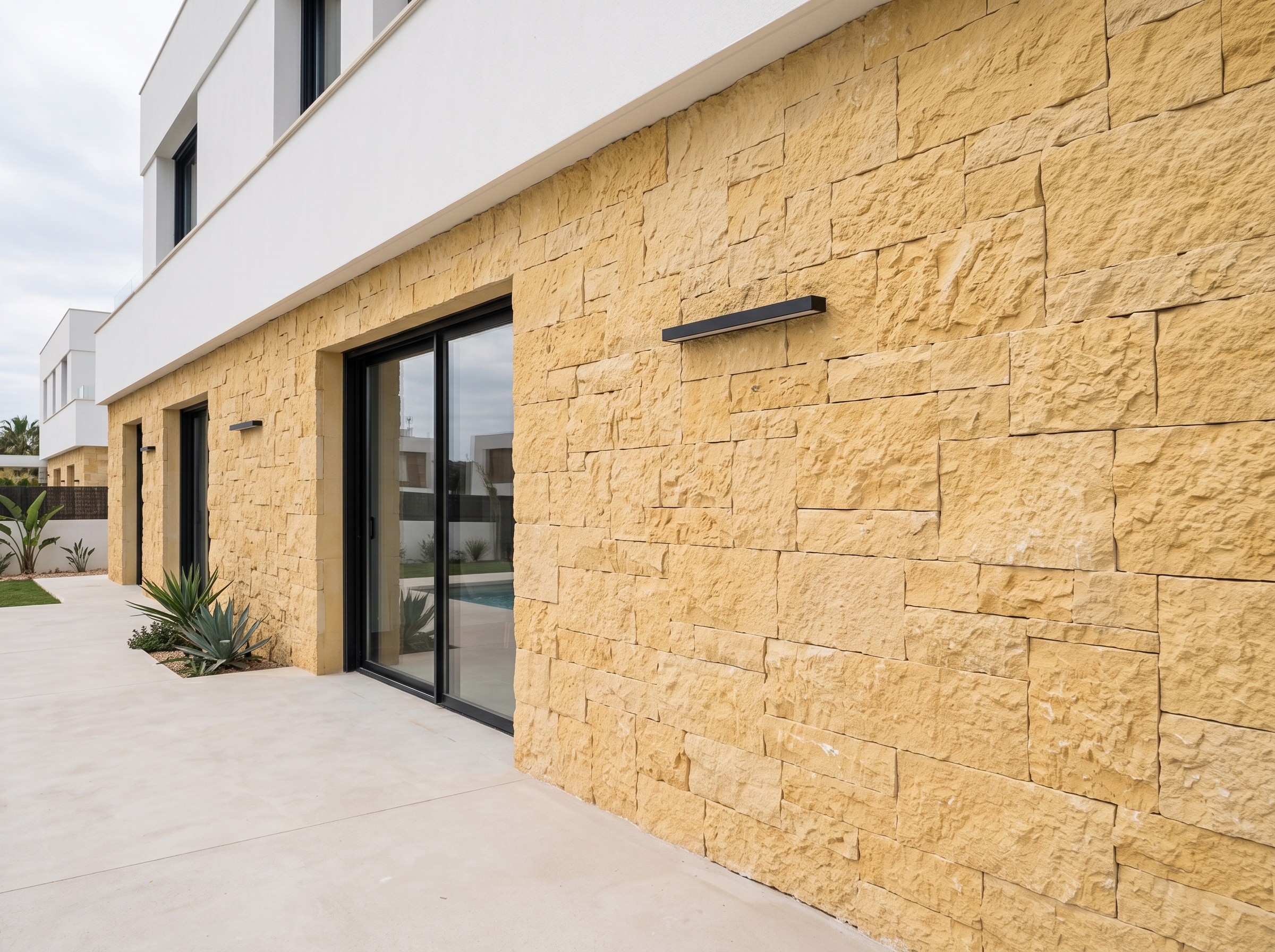
That combination, Saudi raw material and Italian processing tradition, elevated granite work from simple cutting into a timeless architectural art form. Suddenly the company was not just producing stone; it was producing surfaces of a quality that architects could specify with confidence.
It is a pairing that still defines the company’s output today, decades after those first machines were installed.
The first decade was about establishing a foundation, building the discipline, the workforce, and the reputation of a serious stone manufacturer. Every young industry has to earn trust before it can earn scale, and those early years were spent proving that Saudi stone, cut and finished locally, could meet the standards of demanding projects.
By the 1980s, riding a wave of rapid national development, Al Takadom made a defining investment: it integrated expert Italian machinery and specialised craftsmanship into its operation. Italy’s stone-working tradition was, and remains, among the most refined in the world, and importing that know-how changed what was possible on the factory floor.
That combination, Saudi raw material and Italian processing tradition, elevated granite work from simple cutting into a timeless architectural art form. Suddenly the company was not just producing stone; it was producing surfaces of a quality that architects could specify with confidence.
It is a pairing that still defines the company’s output today, decades after those first machines were installed.
The 1990s: Deepening the Roots by Mastering the Supply Chain
In the 1990s, Al Takadom did what few stone companies ever attempt. Rather than depend on outside suppliers for raw blocks, it launched a full mining division and began extracting raw material directly from the earth. This was the moment the company became truly vertically integrated.
Owning the quarry changed the economics and the quality control of everything downstream. When you control the source, you are no longer at the mercy of a trader’s inventory, a competitor’s priorities, or the uncertainty of an open market. You decide which blocks are extracted, how they are cut, and which projects they serve.
It meant the company could guarantee the origin, consistency, and availability of its stone in a way that resellers simply cannot. For a client planning a project measured in thousands of square metres, that guarantee is not a luxury, it is the difference between a specification that holds and one that unravels halfway through construction.
In the 1990s, Al Takadom did what few stone companies ever attempt. Rather than depend on outside suppliers for raw blocks, it launched a full mining division and began extracting raw material directly from the earth. This was the moment the company became truly vertically integrated.
Owning the quarry changed the economics and the quality control of everything downstream. When you control the source, you are no longer at the mercy of a trader’s inventory, a competitor’s priorities, or the uncertainty of an open market. You decide which blocks are extracted, how they are cut, and which projects they serve.
It meant the company could guarantee the origin, consistency, and availability of its stone in a way that resellers simply cannot. For a client planning a project measured in thousands of square metres, that guarantee is not a luxury, it is the difference between a specification that holds and one that unravels halfway through construction.
The 2000s: Carrying Saudi Stone Across Borders
With a secured supply chain and mature manufacturing, the 2000s were about reach. Al Takadom stepped confidently onto the world stage, carrying Saudi stone across borders and into landmark projects throughout the Gulf, Asia, and beyond.
Exporting is not simply a matter of shipping crates. It demanded certified test data that engineers in other countries would accept, repeatable finishes so that a reorder would match the original, and the ability to hold tolerances across enormous orders shipped over long distances.
Meeting those demands, consistently, established Al Takadom as a trusted global name rather than a regional one. Each successful international project became a reference for the next, and the company’s reputation began to travel ahead of its samples.
With a secured supply chain and mature manufacturing, the 2000s were about reach. Al Takadom stepped confidently onto the world stage, carrying Saudi stone across borders and into landmark projects throughout the Gulf, Asia, and beyond.
Exporting is not simply a matter of shipping crates. It demanded certified test data that engineers in other countries would accept, repeatable finishes so that a reorder would match the original, and the ability to hold tolerances across enormous orders shipped over long distances.
Meeting those demands, consistently, established Al Takadom as a trusted global name rather than a regional one. Each successful international project became a reference for the next, and the company’s reputation began to travel ahead of its samples.
Five Decades in Numbers
The clearest way to understand the scale of the journey is to look at where it has arrived. Behind every landmark and every export order sits a set of figures that tell the story more plainly than any description could.
A few numbers capture the transformation from a single 1970 workshop into a modern industrial producer:
Milestone | Figure |
|---|---|
Founded | 1970 |
Years of industry excellence | Over 50, with 66+ years of accumulated craft |
Annual raw extraction | Over 100,000 cubic metres |
Iconic global projects | 79+ |
Numbers like these are not vanity metrics. They are the practical evidence of capacity, consistency, and endurance that a serious project needs to see before it commits.
The clearest way to understand the scale of the journey is to look at where it has arrived. Behind every landmark and every export order sits a set of figures that tell the story more plainly than any description could.
A few numbers capture the transformation from a single 1970 workshop into a modern industrial producer:
Milestone | Figure |
|---|---|
Founded | 1970 |
Years of industry excellence | Over 50, with 66+ years of accumulated craft |
Annual raw extraction | Over 100,000 cubic metres |
Iconic global projects | 79+ |
Numbers like these are not vanity metrics. They are the practical evidence of capacity, consistency, and endurance that a serious project needs to see before it commits.
Today: A Fully Automated, High-Tech Global Leader
Today Al Takadom operates as a fully automated, high-technology producer extracting over one hundred thousand cubic metres of premium stone every year. The workshop of 1970 has become a modern industrial system, but the pioneering spirit that started it all still runs through everything the company does.
That spirit is expressed today through a few enduring principles that govern how the business is run:
Own the source: controlling quarries guarantees origin and consistency
Invest in precision: automated processing holds tolerances that hand-work cannot
Serve the whole project: from technical selection to cut-to-size delivery
Automation has not replaced craft; it has amplified it. The judgement of experienced stone workers now guides machines capable of a precision that would have been unimaginable in the early years.
Today Al Takadom operates as a fully automated, high-technology producer extracting over one hundred thousand cubic metres of premium stone every year. The workshop of 1970 has become a modern industrial system, but the pioneering spirit that started it all still runs through everything the company does.
That spirit is expressed today through a few enduring principles that govern how the business is run:
Own the source: controlling quarries guarantees origin and consistency
Invest in precision: automated processing holds tolerances that hand-work cannot
Serve the whole project: from technical selection to cut-to-size delivery
Automation has not replaced craft; it has amplified it. The judgement of experienced stone workers now guides machines capable of a precision that would have been unimaginable in the early years.
A Philosophy That Has Not Changed
In the words of the company’s Chief Executive Officer, Mohammed Al-dughaither: “We don’t just supply stone, we build the foundations of a nation’s ambition.” That sentence captures why the company still describes its work as shaping what lasts.
Five decades on, the material is the same as it always was: natural, honest, and enduring. A slab of stone quarried today is, in essence, the same material that would have left the factory in 1970. What has changed is the depth of capability behind it, the mining, the machinery, the testing, and the accumulated knowledge of how to get the very best from the earth.
That continuity of philosophy, across a half-century of change, is itself a kind of foundation. It is why clients who worked with Al Takadom decades ago recognise the same values in the company today.
In the words of the company’s Chief Executive Officer, Mohammed Al-dughaither: “We don’t just supply stone, we build the foundations of a nation’s ambition.” That sentence captures why the company still describes its work as shaping what lasts.
Five decades on, the material is the same as it always was: natural, honest, and enduring. A slab of stone quarried today is, in essence, the same material that would have left the factory in 1970. What has changed is the depth of capability behind it, the mining, the machinery, the testing, and the accumulated knowledge of how to get the very best from the earth.
That continuity of philosophy, across a half-century of change, is itself a kind of foundation. It is why clients who worked with Al Takadom decades ago recognise the same values in the company today.