
The Most Sustainable Material Is Often the One That Lasts
Sustainability conversations often focus on what a material is made of. With natural stone, the more important question is how long it lasts, because longevity is where the real environmental case begins.
A surface that endures for generations, without replacement, quietly outperforms materials that must be repeatedly remade. The most sustainable square metre is frequently the one that never has to be manufactured a second time.
Al Takadom’s stone is specified precisely because it is built to endure, which is the first principle of responsible building. Durability is not separate from sustainability, for a permanent material, it is the heart of it.
Sustainability conversations often focus on what a material is made of. With natural stone, the more important question is how long it lasts, because longevity is where the real environmental case begins.
A surface that endures for generations, without replacement, quietly outperforms materials that must be repeatedly remade. The most sustainable square metre is frequently the one that never has to be manufactured a second time.
Al Takadom’s stone is specified precisely because it is built to endure, which is the first principle of responsible building. Durability is not separate from sustainability, for a permanent material, it is the heart of it.
A Natural Material, Minimally Processed
Unlike engineered or synthetic surfaces, natural stone is not manufactured from binders, resins, and pigments. It is extracted, cut, and finished, and nothing more.
The material that leaves the factory is essentially the same material that came out of the earth, shaped rather than synthesised. There is no complex chemistry to break down over time and no cocktail of additives to account for at the end of its life.
That simplicity has real consequences: fewer additives, a straightforward end of life, and a surface that can often be refinished rather than replaced. Stone ages honestly, and when it finally reaches the end of one use, it remains a natural material.
Unlike engineered or synthetic surfaces, natural stone is not manufactured from binders, resins, and pigments. It is extracted, cut, and finished, and nothing more.
The material that leaves the factory is essentially the same material that came out of the earth, shaped rather than synthesised. There is no complex chemistry to break down over time and no cocktail of additives to account for at the end of its life.
That simplicity has real consequences: fewer additives, a straightforward end of life, and a surface that can often be refinished rather than replaced. Stone ages honestly, and when it finally reaches the end of one use, it remains a natural material.
Owning the Quarry Means Owning the Responsibility
Because Al Takadom runs its own mining division, it controls how raw material is extracted rather than outsourcing that responsibility to an anonymous supplier. Responsibility that cannot be delegated cannot be quietly ignored.
Vertical integration puts the quarry, the plant, and the standards under one accountable organisation, which is the precondition for managing extraction carefully. You can only steward what you control.
This is a structural advantage, not a slogan. A company that owns its quarry has both the ability and the incentive to manage it for the long term, because it intends to be working the same ground for decades to come.
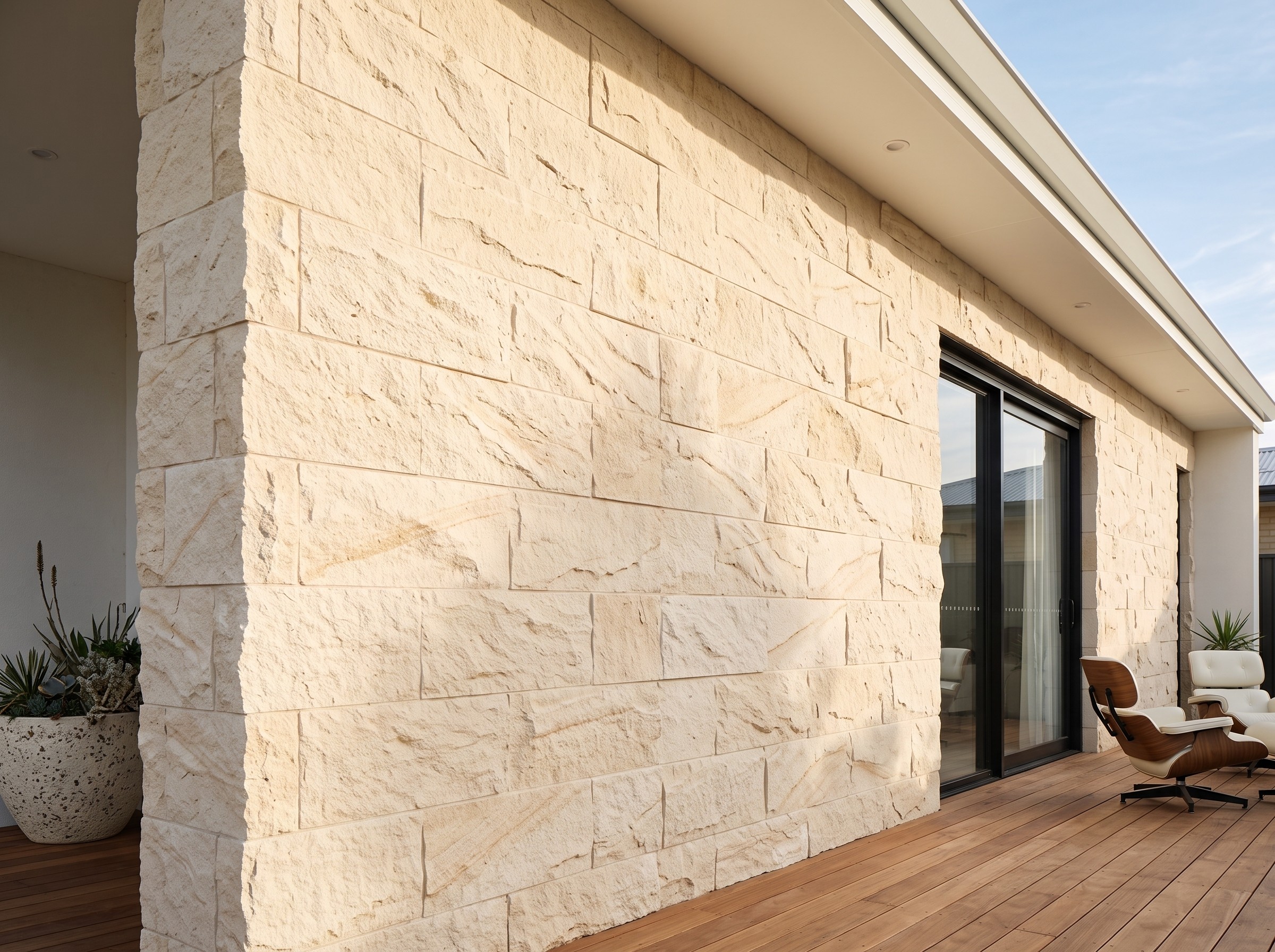
Because Al Takadom runs its own mining division, it controls how raw material is extracted rather than outsourcing that responsibility to an anonymous supplier. Responsibility that cannot be delegated cannot be quietly ignored.
Vertical integration puts the quarry, the plant, and the standards under one accountable organisation, which is the precondition for managing extraction carefully. You can only steward what you control.
This is a structural advantage, not a slogan. A company that owns its quarry has both the ability and the incentive to manage it for the long term, because it intends to be working the same ground for decades to come.
Lifecycle Value: Thinking Beyond the Purchase Price
The true cost of a surface is not what it costs to buy, but what it costs to own over decades. Purchase price is only the first, and often the smallest, part of the story.
When you account for replacement cycles, natural stone’s durability changes the maths entirely:
Factor | Short-life surfaces | Natural stone |
|---|---|---|
Typical service life | Years to a decade | Generations |
Replacement cycles | Multiple | Rare |
Refinishing | Often not possible | Frequently possible |
Viewed over the life of a building rather than a single invoice, stone often proves to be the more economical as well as the more responsible choice.
The true cost of a surface is not what it costs to buy, but what it costs to own over decades. Purchase price is only the first, and often the smallest, part of the story.
When you account for replacement cycles, natural stone’s durability changes the maths entirely:
Factor | Short-life surfaces | Natural stone |
|---|---|---|
Typical service life | Years to a decade | Generations |
Replacement cycles | Multiple | Rare |
Refinishing | Often not possible | Frequently possible |
Viewed over the life of a building rather than a single invoice, stone often proves to be the more economical as well as the more responsible choice.
Local Stone for Local Projects
For projects in Saudi Arabia and the wider region, specifying stone extracted within the Kingdom shortens the distance material has to travel compared with importing from other continents.
Regional sourcing keeps supply chains understandable and accountable. When the quarry and the site share a country, it is far easier to know where a material came from and how it was produced.
Choosing Saudi stone for Saudi architecture is, among other things, a sensible logistical and environmental decision, and one that keeps value within the region that produced it.
For projects in Saudi Arabia and the wider region, specifying stone extracted within the Kingdom shortens the distance material has to travel compared with importing from other continents.
Regional sourcing keeps supply chains understandable and accountable. When the quarry and the site share a country, it is far easier to know where a material came from and how it was produced.
Choosing Saudi stone for Saudi architecture is, among other things, a sensible logistical and environmental decision, and one that keeps value within the region that produced it.
Durability by the Numbers
Longevity is not a hope; it is a measurable property. The very same specifications that make stone perform structurally are what make it sustainable, which is a rare and useful alignment.
The properties that add up to a long, low-impact service life include:
High compressive strength: resists load and wear for decades
Low water absorption: resists staining and weathering
Strong abrasion resistance: survives heavy traffic
Refinishable surface: renewed, not landfilled
Each of these can be measured and certified, which means stone’s sustainability claims can be checked against data rather than taken on faith.
Longevity is not a hope; it is a measurable property. The very same specifications that make stone perform structurally are what make it sustainable, which is a rare and useful alignment.
The properties that add up to a long, low-impact service life include:
High compressive strength: resists load and wear for decades
Low water absorption: resists staining and weathering
Strong abrasion resistance: survives heavy traffic
Refinishable surface: renewed, not landfilled
Each of these can be measured and certified, which means stone’s sustainability claims can be checked against data rather than taken on faith.
Building What Lasts
Al Takadom’s guiding idea, to shape what lasts, is also, quietly, an environmental philosophy. A commitment to durability is a commitment to using the earth’s materials sparingly and well.
Material that endures for generations is material that does not have to be made again. In a construction culture increasingly focused on lifecycle impact, that simple fact is a meaningful advantage that grows more valuable every year.
The greenest square metre is often the one you never have to replace. Stone, chosen well and cared for, delivers exactly that.
Al Takadom’s guiding idea, to shape what lasts, is also, quietly, an environmental philosophy. A commitment to durability is a commitment to using the earth’s materials sparingly and well.
Material that endures for generations is material that does not have to be made again. In a construction culture increasingly focused on lifecycle impact, that simple fact is a meaningful advantage that grows more valuable every year.
The greenest square metre is often the one you never have to replace. Stone, chosen well and cared for, delivers exactly that.